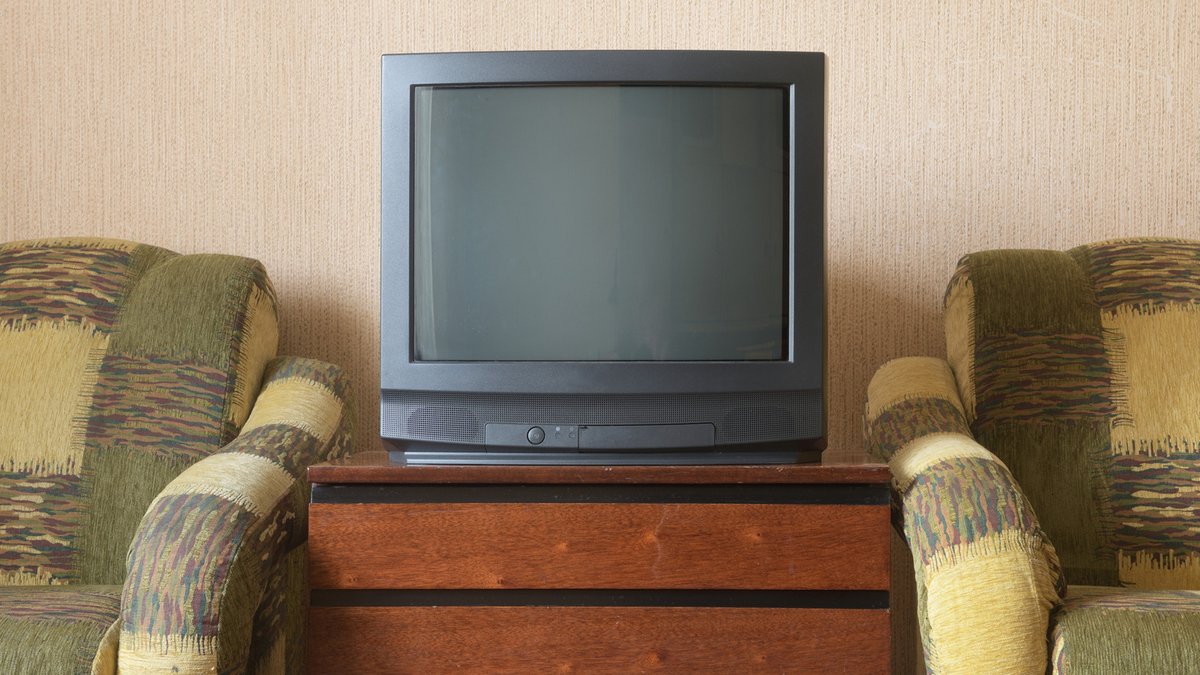
The average cathode-ray tube (CRT) television lasted 15 years, with many exceeding 20 years of use. In contrast, today’s liquid-crystal display (LCD) and light-emitting diode (LED) televisions average just 6 years of service, and over 40% are discarded within five years. This discrepancy is not merely anecdotal—it reflects measurable differences in reliability. Engineering choices explain much of the gap. CRTs relied on straightforward mechanics: a single electron gun, a glass tube, and minimal internal parts. Modern flat-panel displays, however, integrate thousands—or even millions, of components, including LED backlights, complex circuit boards with processors, and memory chips. Each additional part introduces potential failure points. Heat further exacerbates the issue.
CRTs dissipated heat through their bulky design, while today’s slim panels trap it in confined spaces, accelerating wear on sensitive electronics. Software introduces another vulnerability. CRTs required no streaming applications, no firmware updates, and no background processes. Modern smart televisions depend on all three, and a single flawed update can degrade performance or render the device unusable. Even if hardware remains functional, outdated software support often renders a TV obsolete long before physical breakdown occurs. Some owners report their older models remain operational after support ends, while others experience sudden malfunctions following an update. Environmental stresses affect both CRT and modern televisions, but their impact differs.
Read Also: Smartwatch Users Criticize Apple’s AI Listening Feature
Dust, temperature fluctuations, and prolonged exposure to sunlight degrade all screens over time. However, CRTs endured these conditions better due to their simpler construction. A CRT might show gradual wear but rarely suffered catastrophic failure. The downside? Repairing them has become nearly impossible. Skilled CRT technicians are scarce, and replacement parts are often unavailable. Repair costs now range from $100 to $500, plus diagnostic fees, making replacement the more practical option for most users. Regulatory compliance also plays a role. CRTs failed to meet current safety and efficiency standards, they consumed far more electricity, contained hazardous materials like lead, and emitted radiation, though at levels deemed safe for normal use.
Modern televisions prioritize energy efficiency and environmental compliance, but these improvements come at the cost of reduced durability. The decision between a CRT and a contemporary flat-screen thus hinges on priorities: longevity versus repairability, efficiency, and accessibility of parts. For those who still own older CRTs, these sets are more than nostalgia, they remain functional hardware. Retro gaming enthusiasts and film preservationists repurpose them for gaming consoles or film projection. Others use them as secondary monitors or even as artistic installations. While the technology is obsolete by today’s standards, its endurance ensures it remains relevant in specialized applications.
Read Also: iPhone 18 Pro Outshines Duo in Key Features
Manufacturers have not abandoned the concept of long-lasting displays entirely. Some high-end models, particularly those designed for professional use, incorporate ruggedized components and better thermal management to extend service life. These televisions often target industries where reliability outweighs the need for cutting-edge features, such as medical imaging or digital signage. Even in consumer markets, a few brands offer extended warranties or modular designs, allowing users to replace individual components rather than the entire unit.


