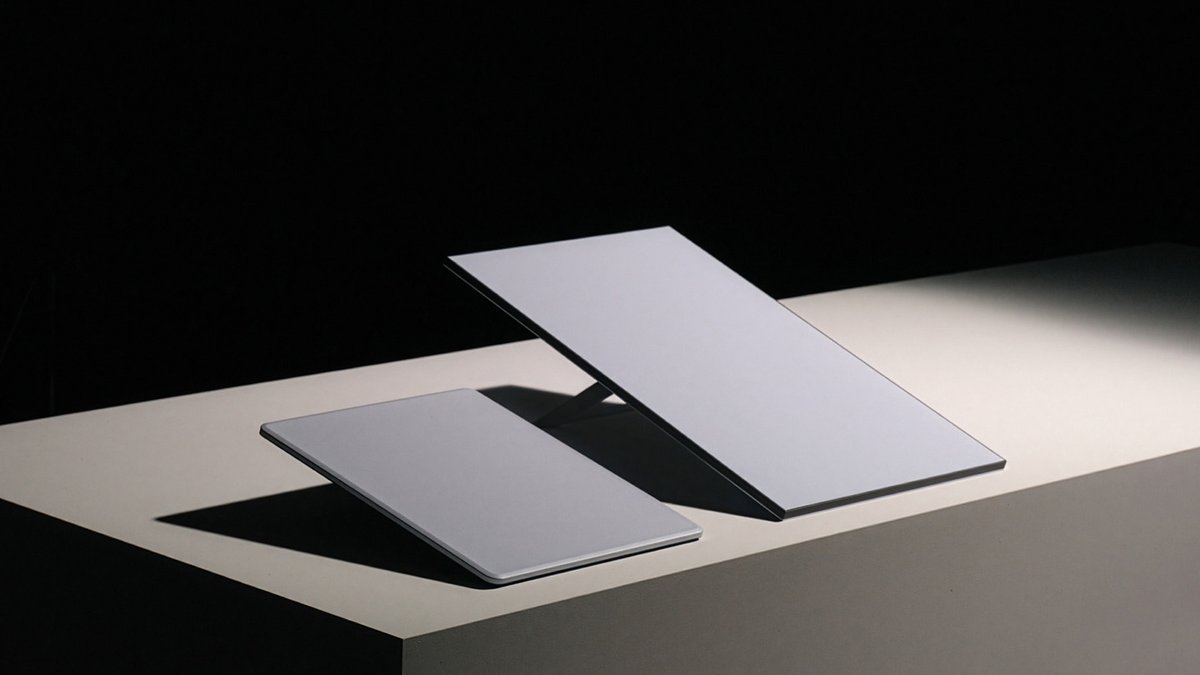
Starlink’s new V5 home dish is now rolling out in select U.S. areas, but it is tied to the lowest‑cost residential plan.
Smaller size, lighter weight and lower power draw
The V5 model replaces the previous V4 antenna. According to a support page, the newer unit “has a smaller form factor, new lightweight design, greater power efficiency than the Starlink V4.” At 2.4 pounds, the dish weighs less than half of the 6.5‑pound version, and its dimensions shrink to 5.12 × 12.05 × 1.34 inches from the earlier 23.4 × 15.1 × 1.5 inches. Power consumption also drops to a range of 35‑50 watts, compared with 75‑100 watts for the older version.
SpaceX announced the rollout on its X account, noting that the product would arrive in the United States “today in certain regions at first.” The firm plans to bundle the dish with the Router Mini and include a pipe adapter for rooftop mounting. Unlike the portable Starlink Mini, the V5 is not intended for use while in motion.
Performance specs and plan limitations
Even though the new antenna is more compact, it does not raise the maximum advertised speed. The V5 supports up to 375 Mbps, a slight dip from the V4’s 400 Mbps ceiling. The dish will be offered only with the $55‑per‑month 100 Mbps Residential plan, as reported by a Reddit thread referenced by PCMag. Higher‑tier Residential and Residential Max plans continue to rely on the V4 dish paired with the Router 3.
Related: Carvana opens first dealership test drive site
Elon Musk posted a short video on X showing the new hardware and said it would be produced “in much higher volume than the current terminals.” The announcement comes as SpaceX prepares for its next‑gen Starlink Mobile network, slated for a mid‑2027 launch and promising speeds up to 150 Mbps that aim to mimic a high‑performing 5G experience.
Last year, the firm also unveiled a $2,000 Performance dish built for gigabit‑level service, highlighting the range of hardware options it maintains for different market segments.
From a practical standpoint, the reduced size and power draw could simplify installation for users in remote locations, where roof space and electricity costs are often limiting factors. The lighter weight may also lower shipping expenses, potentially passing savings on to consumers who opt for the entry‑level plan.
While the V5’s data ceiling is modestly lower, the trade‑off appears intentional. SpaceX seems to be aligning the hardware with the most affordable plan, perhaps to encourage broader adoption without over‑engineering the device for higher‑speed tiers that already have dedicated equipment.


