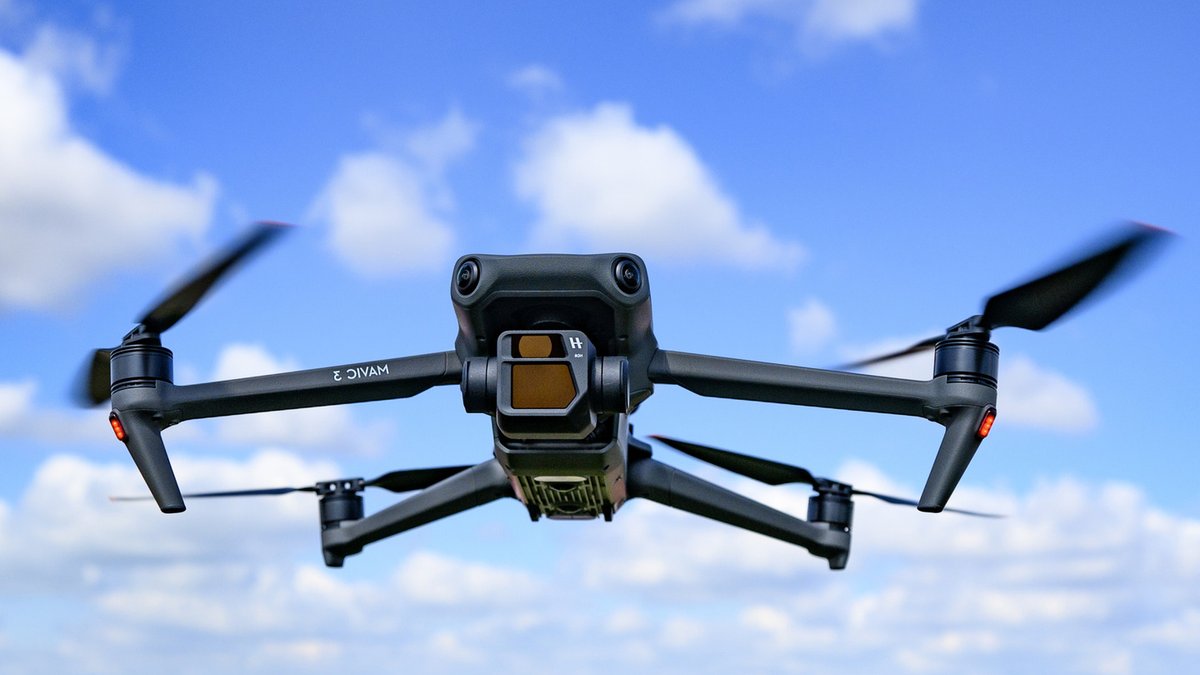
The Federal Communications Commission has announced plans to block the import and sale of drones and cameras from nine companies. The agency claims these firms are marketing rebranded versions of Covered List equipment to avoid import restrictions. The proposed ban targets entities including Cogito, Fikaxo, Lyno Trends, Skyhigh Tech, Spatial Hover, SZ Knowact, WaveGo, Xtra, and XAG. Officials argue that these products present an unacceptable risk to national security by allowing unauthorized devices to enter the supply chain under altered branding.
Restricting Rebranded Drones
A week before this announcement, the FCC proposed fining these companies $25,000 for failing to respond to agency inquiries about the Covered List. That list contains items prohibited from the U.S. due to security concerns. The FCC recently added new foreign-made drones and components to that list in December 2025. While DJI is the most prominent company historically affected by such bans, the commissioners are now targeting smaller entities that allegedly package old DJI gear under new names.
The FCC recently gained the authority to act on this situation. In October 2025, the commission voted to give itself the power to retroactively ban devices that were previously authorized. This new proposal appears to be the first time the agency has wielded that power. The ban specifically includes “certain previously authorized equipment” suspected of being re-shelled versions of older DJI products. This move suggests regulators are looking backward at existing stock that was once legal to import, rather than just targeting contemporary releases.
When the commission announced the addition of foreign-made drones to the Covered List, it said the rule would only apply to new models. Consequently, the strategy has evolved to address older inventory that has found its way back into the market. By focusing on “re-shelled” versions, the FCC aims to disrupt a loophole where technology made by a prohibited manufacturer is distributed by a different entity to evade detection. This approach requires resellers to verify the lineage of their inventory more rigorously than before.
Related: Everything to know before using iPhone key fob
DJI Response and Public Input
DJI expressed disappointment with the decision. The company told Engadget it remains firm that concerns about its data security are not grounded in evidence and instead reflect protectionism that contradicts the principles of an open market. This stance suggests that the company views the regulatory actions as barriers to trade rather than necessary security measures.
The commission is now seeking public input regarding its conclusion. It asks for “specific evidence” supporting the security risks posed by the nine named companies. Comments will be accepted from the public over the next 30 days. This period allows industry stakeholders, security experts, and consumers to submit their observations before the agency makes a final determination on the enforcement actions.
This enforcement strategy shifts focus from the original manufacturer to the reseller. By targeting re-shelled versions of authorized equipment, the commission is trying to close a gap where older technology circulates under new identities. This creates a significant compliance challenge for businesses that might otherwise use older hardware to maintain operations without the expense of buying the latest models. The ripple effect of this decision could extend beyond the nine specific companies listed, impacting the broader ecosystem of drone distribution.