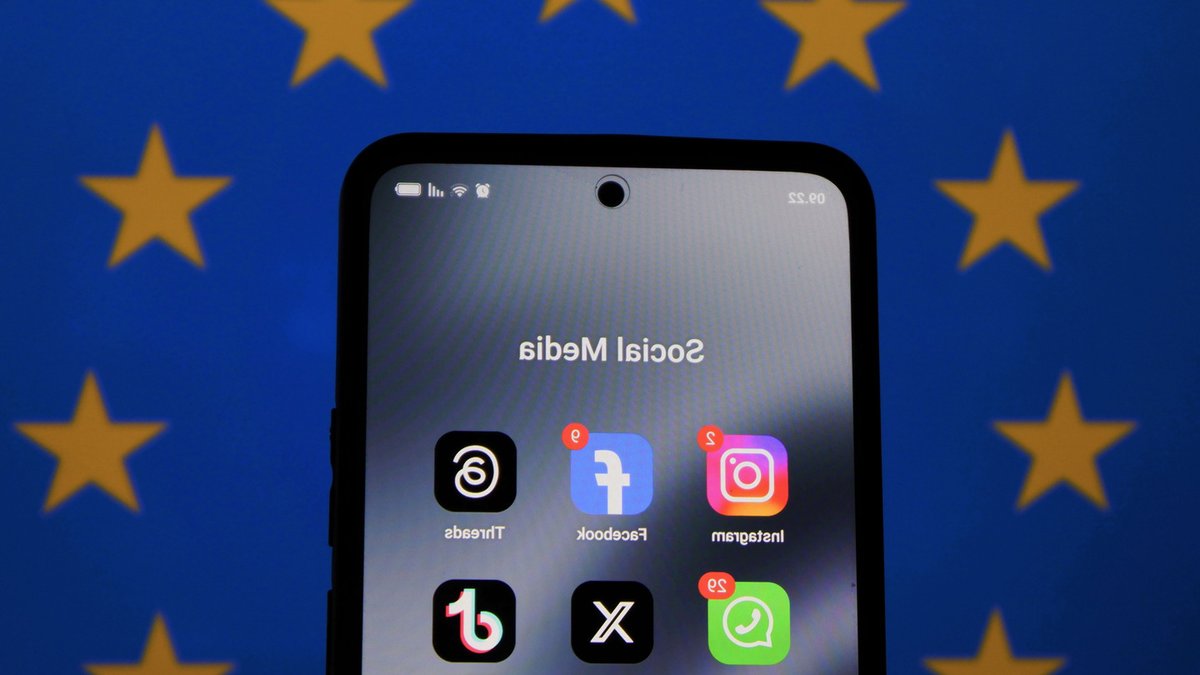
European children spend up to six hours a day on platforms like TikTok and Instagram, and new data is pushing the EU toward a potential ban on social media for minors. European Commission President Ursula von der Leyen announced the bloc is taking steps to restrict access, citing a fresh expert report that raises serious concerns about kids’ mental health.
“It is clear we need age-appropriate restrictions to platforms,” von der Leyen said at a press conference. “This is not about whether children can access social media. It is about whether and when social media can access our children.”
Kids are spending four to six hours a day on social media
The report, written by child psychologist Dr. Jörg M. Fegert and epidemiologist Dr. Maria Melchior, lays out stark numbers. Across Europe, children now spend between four and six hours daily on social media. Nearly 60 percent of them reported experiencing “socio-emotional development and susceptibility to mental health issues.”
Related: Router Antenna Positioning Depends On Home Layout
Those issues include sleep and concentration problems, along with increased rates of depression and anxiety, according to the document. The authors recommended that the EU restrict social media access for kids under 13 unless a parent or teacher is supervising.
For teens between 13 and 18, the report advises giving them access only to platforms with built-in safety features — limits on infinite scrolling, for example. It also recommends that toddlers under three years old have no screen access at all.
Australia was the first country to bar children under 16 from social media. France, Germany, and Spain are now looking into similar measures. In the United States, Florida implemented a ban in 2024 on social media use for children under 14 without parental approval.
Critics say kids can lie about their age — but fines are rising
Opponents of the Australian ban argue that children can easily sidestep it by lying about their age or using fake accounts. The Australian government recently announced it will double the maximum penalty for social media companies that break its minimum age law, raising it to 99 million $AUD, or roughly $68 million.
Related: Wired internet options beyond cable
If Europe pushes forward with a new law, it would be the largest effort yet to restrict social media for children. The bloc is home to about 450 million people, of whom roughly 81 million are under 18. But passing such legislation requires negotiations and buy-in from all 27 member nations — a process that could take considerable time.
The 27 countries do not always agree on digital regulation, and previous tech-related laws have taken years to finalize. Still, the report may represent a tipping point.
“The more we learn, and the more we see the impact on our children, the stronger the argument becomes for a social media start date,” von der Leyen said. The EU Commission will now review the report and recommendations and present a proposal “after the summer.”


