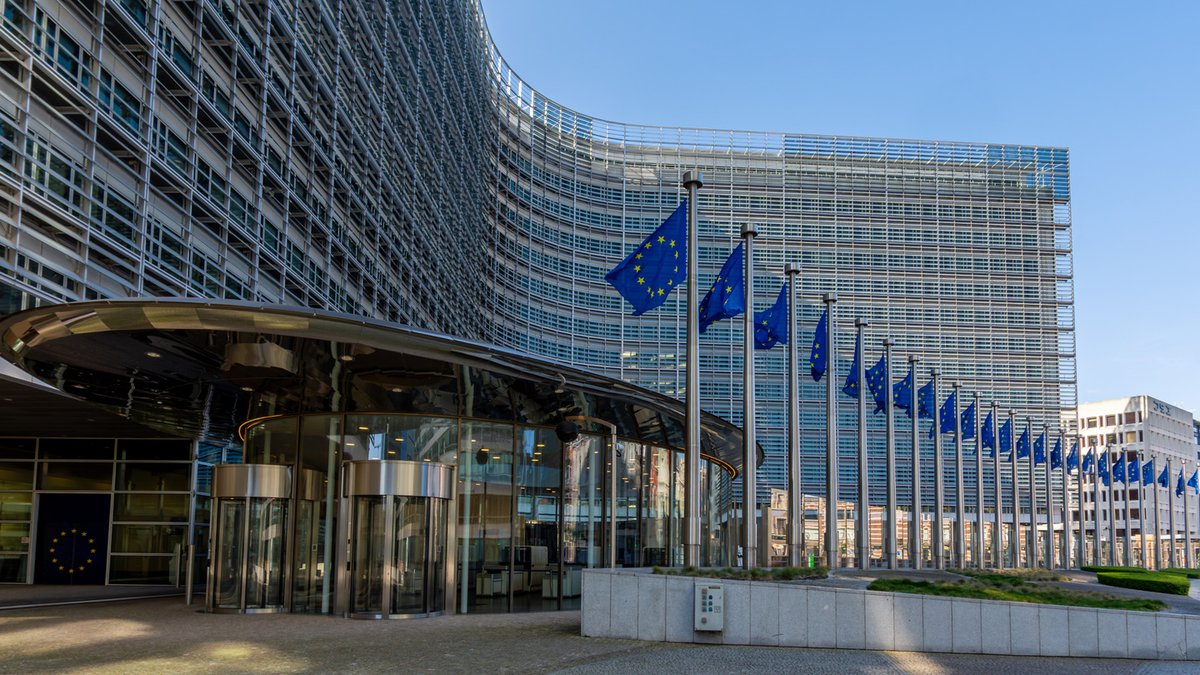
The European Commission has unveiled a revised draft for the EU Emissions Trading System, a move that will keep industrial greenhouse‑gas emissions flowing well beyond the 2039 deadline that many had expected.
Changes to the linear reduction factor
Under the previous framework, the linear reduction factor (LRF) was set to bring the emissions cap to zero by 2039, with a 4.4 % annual decline between 2031 and 2035. The new proposal lowers that decline to 3.7 % for the same period and further reduces it to 1.7 % per year after 2036. This slower pace means that the overall cap will not reach zero until sometime in the 2040s.
Free carbon allowances, which were slated to end earlier, will now be extended for several more years. Sectors subject to the carbon border adjustment mechanism will continue receiving these allowances until 2038. Moreover, starting in 2036, the Commission plans to permit firms to purchase carbon offsets from outside the EU to balance their emissions.
Related: Honda discontinues its sole US electric vehicle
Industry relief versus climate ambition
The body justified the adjustments by citing “increased pressure” on EU industry from recent geopolitical and economic shifts, including a sharp rise in global oil prices. A press release stated the review would “bring relief to industry, while preserving the essential role of the ETS in the climate and energy transition, in line with the EU Climate Law.”
Environmental groups, however, see the changes as a retreat. The World Wildlife Fund’s Camille Maury asked how the EU could still meet its 2040 climate target if the ETS allows more emissions. “Any increase in ETS emissions would need to be compensated for by deeper emissions cuts elsewhere in the economy,” she wrote.
In parallel, the commission released an Energy Action Plan aimed at accelerating the shift from fossil fuels to renewable electricity. The plan proposes measures such as stabilizing electricity bills, reducing upfront costs for electrification technologies, speeding grid expansion, and supporting innovative electrification projects.
While the electrification agenda has drawn praise, the WWF cautioned that it cannot stand alone. Senior policy officer Arnaud Van Dooren said, “Electrification is our ticket to energy independence… But electrification alone is not a decarbonization strategy, it must be paired with ambitious renewable energy and energy efficiency targets.”
Related: Carmakers to drop Android Auto in 2026
The revised ETS may reshape how EU firms approach carbon compliance. If offset prices fall as a result of the new rules, companies could find it cheaper to buy credits rather than cut emissions directly, potentially slowing the overall decarbonization pace.
One possible outcome is that the extended allowance period could give heavy emitters more flexibility to adjust their production processes, yet it also raises the risk that the EU will rely on external offsets whose environmental integrity is not guaranteed. This tension could press policymakers to tighten other aspects of the climate framework to keep the overall trajectory on track.
The proposal still faces scrutiny from member states and the European Parliament, where debates are expected to focus on balancing industrial competitiveness with the bloc’s legally binding climate commitments.


