Cyber security in the modern era requires a shift toward machine speed to match automated attacks. This need for rapid response comes as organisations operate in a complex environment where autonomous AI agents can exploit vulnerabilities at scale in just a matter of minutes.
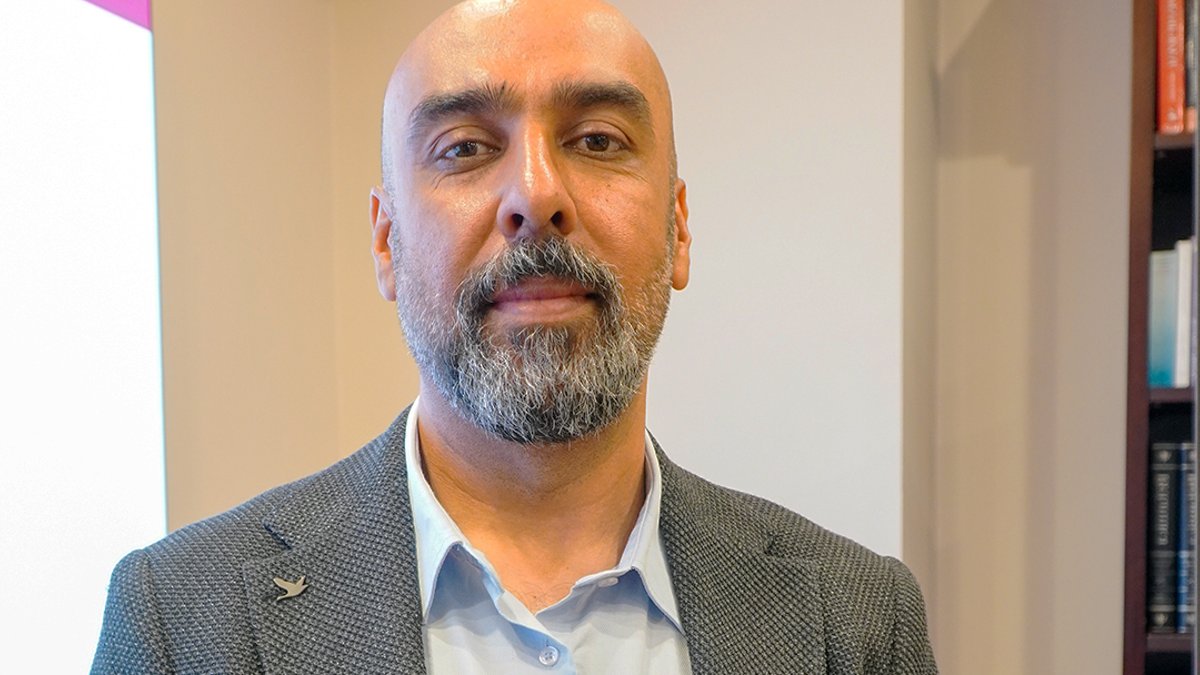
Ali Yilmaz, Senior Manager of Solution Architects for Turkey and MEA at Picus Security, explained this shift during an executive roundtable in Sandton. Yilmaz described the current environment as an “agentic era” defined by fully autonomous malware and AI-powered weapons. Security teams are no longer just using AI to process data; they are deploying it for threat hunting and automated patching.
“We are effectively fighting an AI versus AI adversarial war,” Yilmaz said. The rapid evolution of these tools means the attack surface expands constantly. Managing this exposure and third-party risk has become a complex nightmare. CISOs also face the burden of keeping up with stricter regulations and reporting requirements.
Yilmaz noted that security leaders often struggle to justify their budgets to the board. The challenge lies in translating technical risks into financial impacts that executives understand. He argued for a “paradigm shift” away from siloed operations. Organisations must correlate threat setting data with their specific security controls to manage risk effectively.
Related: Samsung Enhances Galaxy Z Flip Cover Screen
Security validation is central to this new approach. Picus connects data from assets and devices with vulnerability data and threat intelligence. This creates a unified view that moves organisations from fragmented point-in-time solutions to an orchestrated architecture. The platform adjusts vulnerability scores based on actual defence gaps rather than generic metrics.
By integrating with existing tools like SOAR and CTI through APIs, the system connects directly to an organisation’s current tech stack. The core workflows now run on AI, which compresses emerging threat response times to mere minutes. This speed is necessary because generic severity scores often fail to reflect the reality of an organisation’s specific security posture.
Automated defense and analysis
Yilmaz highlighted three specific areas where automation has changed the workflow. First, the platform now auto-consumes cyber threat intelligence, removing the need for manual emulation. Second, it offers chat-based orchestration through the Picus AI Assistant. This allows users to drive mobilizations from intent rather than specific commands.
Finally, the way findings are interpreted has changed. The platform generates AI-driven risk dashboards that build on predefined widget libraries. Security teams can use prompt-driven creation to customize their views of MITRE ATT&CK coverage and detection scores. This automation addresses the practical reality that manual processes cannot keep pace with the speed of modern automated threats.


