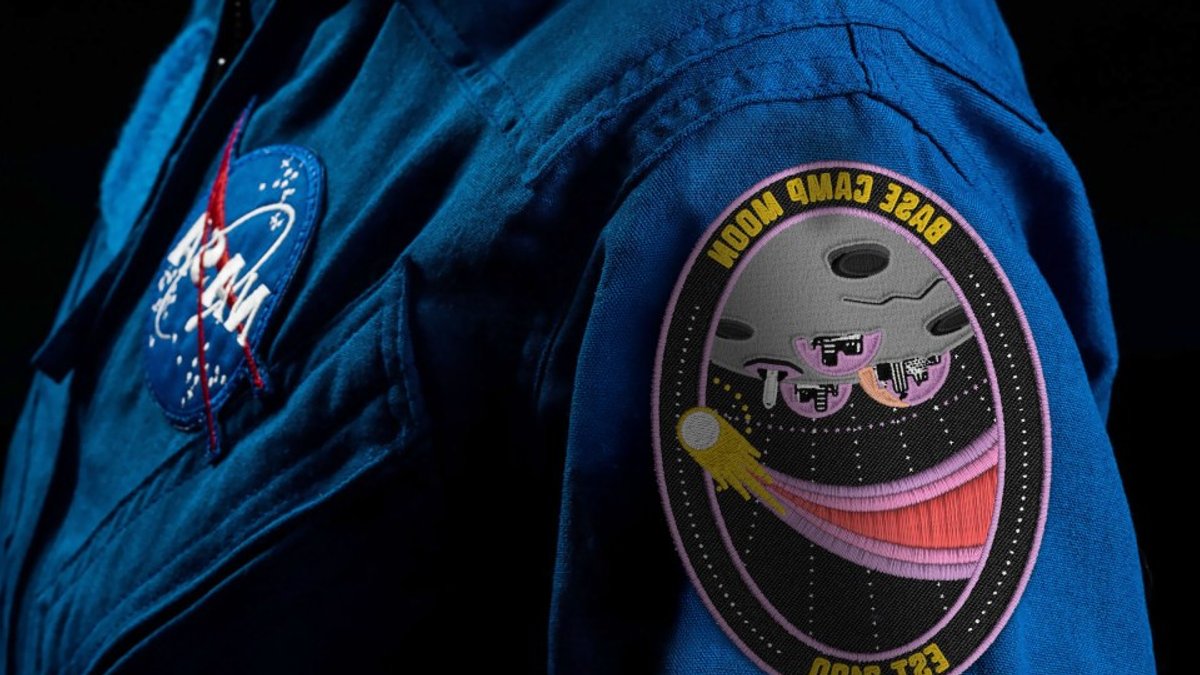
The US and China are competing to establish lunar bases, with NASA aiming for a small lunar city by century’s end. Ensuring safety for a sprawling installation requires shielding against meteorite impacts, relentless cosmic rays, abrasive lunar dust, and extreme temperature fluctuations.
The moon is a tremendously hostile place to set up camp, requiring autonomous robots, nuclear power, and a way to use the moon’s resources to keep the base operating. The chief obstacle may be one of political will, as establishing a lunar city is a complex and challenging task.
Moon City Challenges
Building a lunar city will require significant technological advancements and infrastructure development. The base must be self-sustaining, with the ability to produce its own food, water, and energy. This will be a major challenge, as the moon has limited resources and a harsh environment.
The lunar surface is exposed to harmful radiation, extreme temperatures, and meteorite impacts. The lunar dust is also a major concern, as it can be toxic and cause damage to equipment. To overcome these challenges, NASA and other space agencies will need to develop new technologies and strategies for protecting both people and equipment.
Read Also: Panama forest shows nature can restore rainforest
A writer who has been following the development of lunar bases notes that the key to success will be the ability to use local resources, such as water ice, to support life and propulsion. This will require the development of new technologies, such as in-situ resource utilization, which can extract resources from the lunar regolith.
Drone Traffic Control
The growth of the drone industry has led to the creation of new job titles, such as delivery drone air traffic controller. Trevor Wischnewsky, an RPIC at FlyTrex, oversees fleets of drones that ferry cargo to homes and businesses. His role is similar to that of an air traffic controller, but instead of airplanes, he manages drones.
The development of drone traffic control systems is an area of ongoing research and development. These systems will be critical to ensuring the safe and efficient operation of drone deliveries, and will require the integration of multiple technologies, including GPS, sensors, and artificial intelligence.
Geoffrey Hinton is spending his time on what he describes as “more philosophical work” to focus on concerns he now has about AI. He helped develop some of the most important techniques at the heart of modern artificial intelligence. Hinton is a pioneer of deep learning who worked at Google for a decade.
Read Also: US GLP-1 Weight-Loss Drugs Pose Unclear Risks
Hinton is worried about the danger that AI will turn out to be a disaster. He stepped down from Google to focus on this issue. Hinton’s work involves looking at the potential risks of AI and how to mitigate them.
AI Regulations
Microsoft’s president, Brad Smith, tells the BBC why AI urgently needs more regulations, including requiring firms to write “incident reports” and tell victims if the technology goes rogue. Currently, AI is subject to fewer safety rules than a washing machine.
Smith’s comments come as the White House has made AI incident reporting mandatory. This move is aimed at increasing transparency and accountability in the development and use of AI. The goal is to prevent accidents and ensure that AI is used safely and responsibly.
Climate Tech and AI Developments
Some companies are working on climate tech solutions. Brimstone is a US startup that makes cleaner cement and critical minerals. It uses silicate rocks instead of limestone to reduce greenhouse-gas emissions.