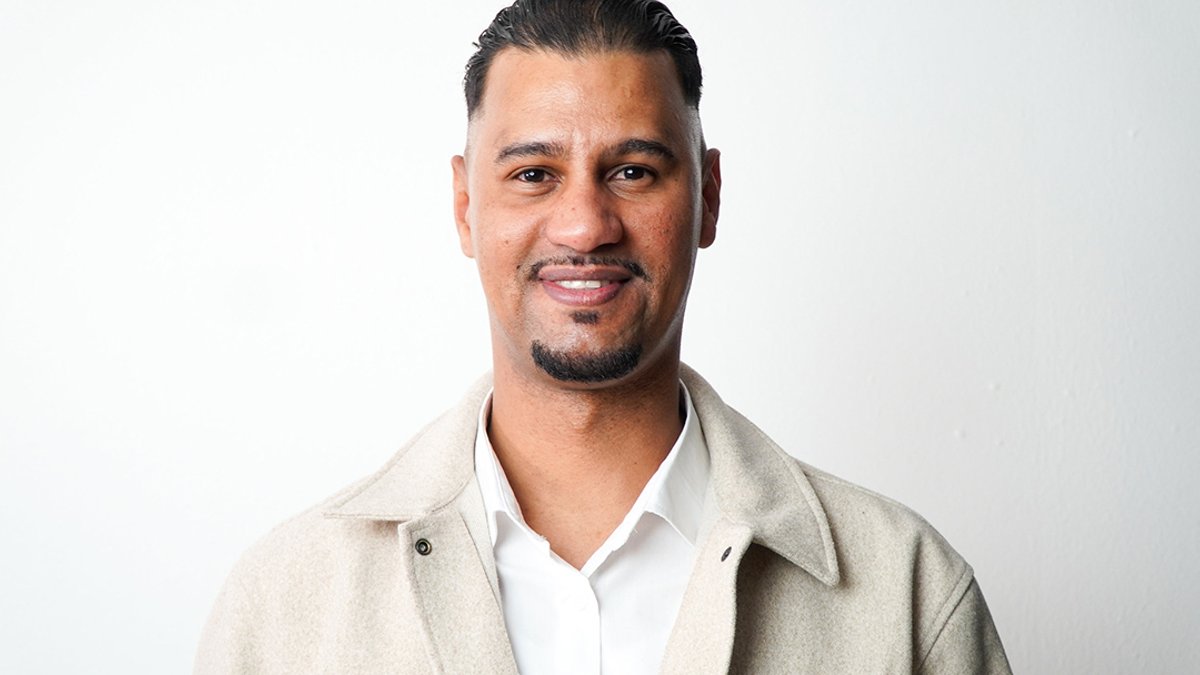
South Africa’s e-hailing market is evolving under new regulatory frameworks, with platforms adapting to the changes. InDrive‘s country representative Ashif Black spoke to ITWeb about the brand’s local footprint, national accreditation, and future plans.
The enactment of Section 66A of the National Land Transport Amendment Act has been significant for e-hailing services, leading to increased recognition.
Transport minister Barbara Creecy said the intention of the recent national legislation is to ensure e-hailing platforms are registered in South Africa and have in-country offices, gain operating licences, vet drivers, and include in-vehicle panic buttons.
The regulatory framework aims to bring about stability and harmony between traditional minibus taxi services, metered taxi services, and e-hailing services, recognising drivers as formal public transport operators/drivers.
Ashif Black noted that the introduction of the legislation caught the company by surprise, and they would have liked the process to involve operators in the consultation and to have been more transparent.
InDrive has secured its national accreditation and is licensed to operate in South Africa for five years, but the challenge now is to deal with local regulations, which are yet to be finalised.
Since InDrive operates in 16 cities across the country, the task presents a sizeable workload, with each municipality having different regulations.
Related: Lumepay Expands Payment Services to Africa
Black says the company wants to ensure that industry regulation doesn’t impact the market economics to the point of excluding drivers, and hopes that the regulations will create a fair marketplace.
The regulations have given credibility to the e-hailing firms, resulting in increased recognition of their status and impact on the overall transport ecosystem.
InDrive plans to use the new licensing framework to have conversations with various entities about designated e-hailing pick-up locations at venues such as airports and malls.
The company’s peer-to-peer pricing model, which allows riders and drivers to agree on their own prices, has been a key factor in its success, with InDrive claiming to have the lowest service fees in the industry.
They will continue to evolve and adapt to the new regulations.
The e-hailing sector will be shaped by the regulations and impact the lives of drivers and riders.
