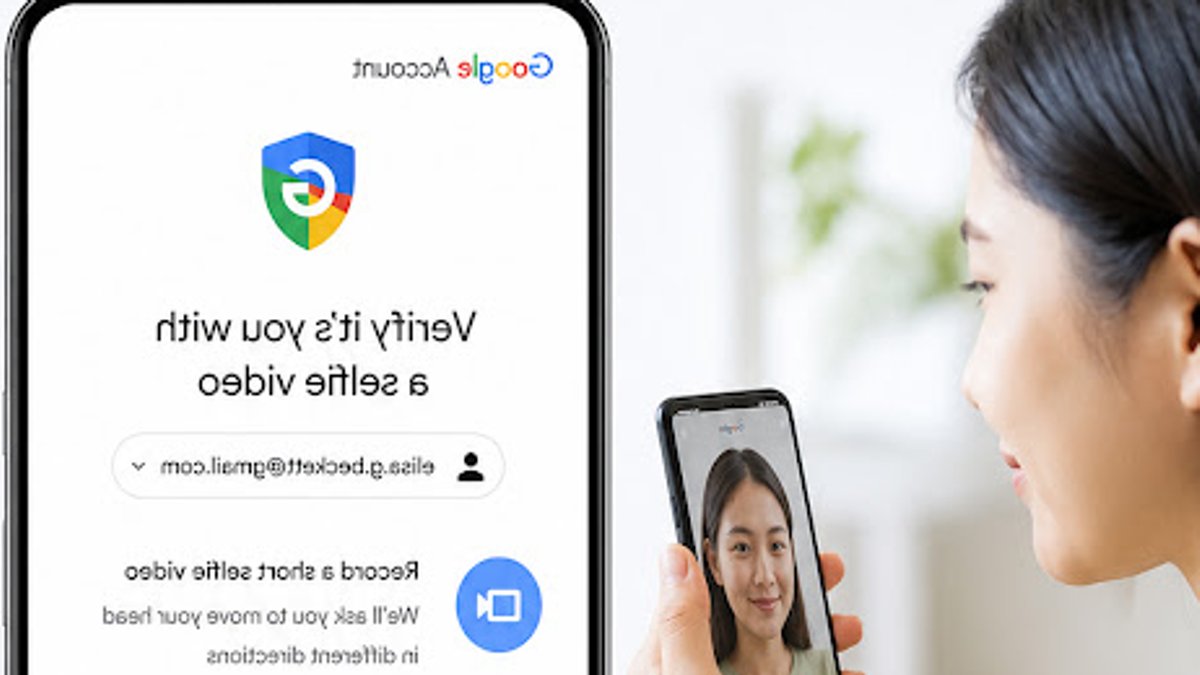
Google has introduced a selfie video option for account sign-ins, offering users a new method to recover access when locked out of their personal accounts.
The feature, announced this week, allows users to record a short video of themselves following guided head movements. If access is lost later, they record another selfie, which is compared to the original for identity verification.
How it works and who can use it
The selfie video serves as a backup recovery method rather than replacing passwords or passkeys. It complements existing options like two-factor authentication and recovery contacts.
To set it up, users record a video through their Google account settings. The system captures multiple angles of their face, encrypting and storing the data under the user’s control. They retain the ability to delete the video at any time.
During recovery, the system requires live movements to confirm physical presence. This step helps prevent deepfakes or other impersonation attempts from succeeding.
The feature is being introduced globally but remains limited to eligible personal Google accounts. It excludes Google Workspace accounts, child accounts, and those enrolled in Google’s Advanced Protection Program.
Security and privacy considerations
Google states the selfie video is used only for sign-in verification unless users consent to additional uses. The company advises setting up multiple recovery methods instead of relying on a single option.
“Your Google account holds a lot of valuable information, from cherished photos to important emails and documents,” said John Gronberg, director of product management at Google. “We always want to make sure that information is private, secure, and readily available to you.”
The update aligns with a broader industry trend toward biometric verification as companies seek to improve convenience without compromising security. It may also spark discussions about how such data is stored and managed.
For most users, the feature provides a practical solution when traditional recovery methods fail. Those who lose their phone, forget their password, or cannot access their usual device could regain access more easily—provided they have a working camera and internet connection. The convenience comes with the trade-off of sharing facial data with a large tech company, even if encrypted and user-controlled.
While Google has not detailed the exact duration of the verification process, the system includes fraud prevention measures. If the selfie does not match the original closely enough or the movements appear unnatural, the recovery attempt will be rejected.
Users can check their account settings to determine eligibility and enable the feature if available. The rollout is gradual, so not all personal accounts will have access right away.
This approach reflects growing interest in identity verification methods that balance security with ease of use.


