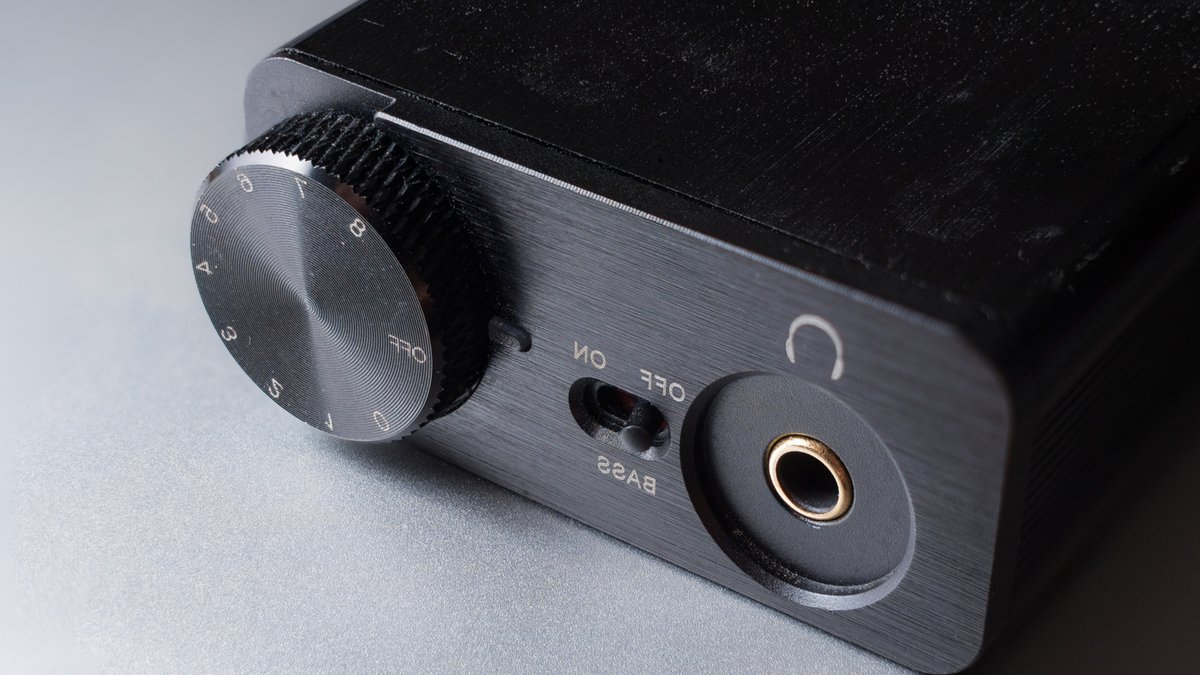
A DAC, or digital-to-analog converter, is the component that turns digital audio files into the analog signals your speakers can play. Every smartphone, computer, and streaming device has one built in, silently doing its job every time you hit play.
What a DAC Actually Does
Digital audio exists as binary data—strings of 1s and 0s. A DAC translates that data into a continuous electrical signal that mirrors the original sound wave. Without it, your speakers would have nothing meaningful to work with. The built-in DAC in your phone or laptop handles this conversion well enough for most listeners.
However, not all DACs are created equal. Lower-quality built-in converters can introduce noise or distortion during the translation process, subtly degrading the audio. This is where external DACs come in, offering more precise conversion and often better shielding from interference.
When an External DAC Helps
External DACs come in several forms: desktop units for home setups, portable models for smartphones and tablets, and USB converters for direct device connection. They’re particularly useful for listeners using high-end headphones that feel underpowered, or for those whose devices lack a headphone jack entirely.
Related Post: Oura goes public as smart ring rivals rise
Professionals in audio production may find value in specialized DACs that meet stricter accuracy standards. But for the average listener with standard gear, the difference is often imperceptible. Upgrading only makes sense if current audio quality is already compromised or if specific equipment demands it.
Cost vs. Benefit
High-end DACs can cost thousands of dollars, but price doesn’t always correlate with audible improvement.
The real test is whether your current setup sounds clean and distortion-free. If it does, an external DAC is unlikely to make a meaningful difference. If it doesn’t, troubleshooting existing issues, or simply choosing a modestly priced DAC, may be a more practical step than chasing expensive gear.
One common scenario where an external DAC becomes necessary is when using a smartphone without a headphone jack, such as an iPhone 17. In such cases, a portable DAC allows for wired listening by connecting through available ports like Lightning or USB-C, restoring the ability to use high-quality wired headphones with digital files.


