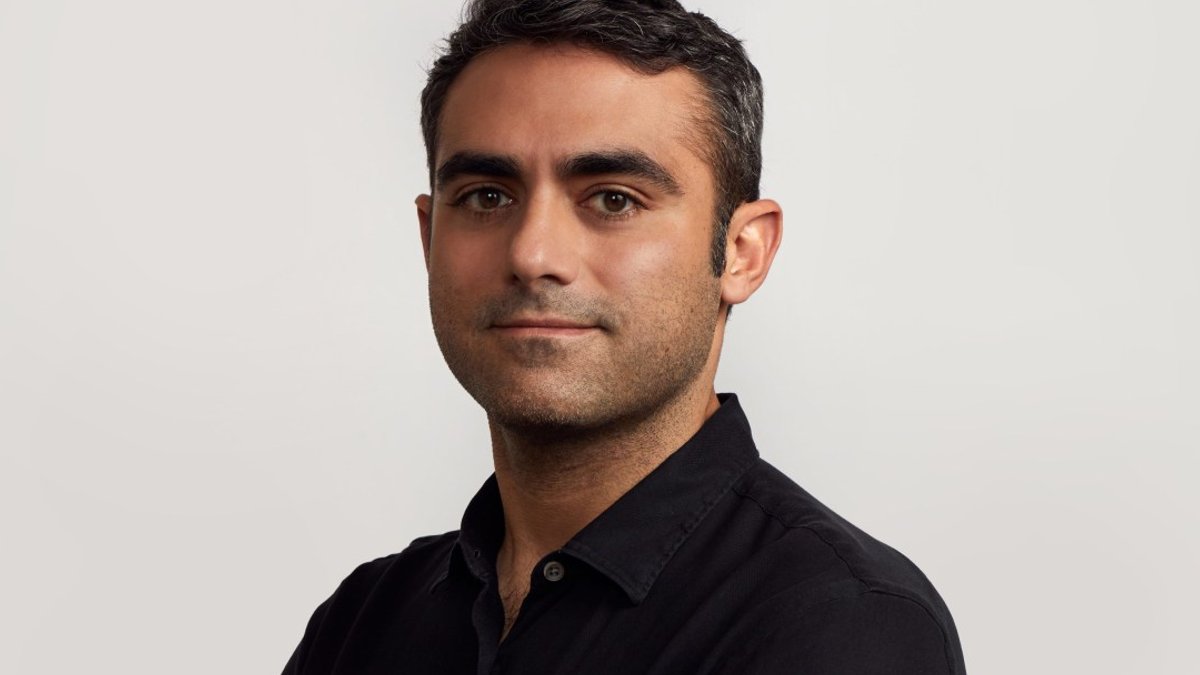
Michael Polansky’s startup is training an AI model on skin that remains alive for weeks, a claim that could reshape how cosmetics and dermatology research avoid animal testing.
Keeping human samples viable outside the body
Outer Biosciences, founded in 2022, sources discarded human skin from plastic‑surgery clinics through vetted biobanks overseen by institutional review boards. The firm pays only cost‑recovery fees, and each sample arrives de‑identified, with personal data stripped before it reaches the lab.
Polansky says the team built a support system that supplies nutrients and removes waste, extending the life of the material from the usual few days to roughly a month. In plain terms, a 30‑day‑old specimen still mirrors the molecular programs of day‑zero tissue, though it isn’t a perfect clone.
One practical test involves exposing the living sample to UVB light, then monitoring inflammation and repair over several weeks. The goal isn’t to cure the burn but to watch the cascade of biological responses that unfold.
AI loops accelerate ingredient discovery
The startup feeds data from these long‑term experiments into an artificial‑intelligence engine that predicts which untested chemicals might improve a specific function. Predicted compounds are then applied to the living material, and the outcomes feed back into the model, refining its next guesses.
Related: Micro1 Hits $500M Run Rate
Early on, the firm relied on a “brute‑force” literature mining approach, producing a handful of leads over 18 months. With the AI layer, it now generates a new candidate about every six weeks, maintaining six active leads and dozens of additional “hits.”
From a broader view, the approach highlights a gap in current pre‑clinical testing: most approved over‑the‑counter dermatological agents fall under a narrow set of regulatory categories, leaving only about 130 active ingredients recognized by the FDA. By expanding the searchable chemical space, the startup may uncover novel compounds that sit outside traditional pathways.
Unlike drug candidates, the focus here is on cosmetic actives, which bypass the lengthy FDA approval process. Instead, safety testing follows OECD guidelines, allowing studies conducted in one member country to be accepted by the others.
Outer Biosciences plans to license successful discoveries to beauty or pharmaceutical brands rather than launch its own consumer line. Four of its six current leads appear poised for commercialization, according to Polansky.
Funding, competition and next steps
To date the firm has raised roughly $23 million from investors such as Calm Capital and Brighter Capital, and it employs 19 staff members based just outside Cambridge, Massachusetts. A pharmaceutical partner is using the platform to study why certain cancer drugs trigger severe skin rashes, while consumer brands test the relevance of the data for their own pipelines.
Related: Ring Rehab: How to Care for and Clean Your Engagement Rings
Competitors like Vivodyne, a Philadelphia‑based company, recently announced close to $80 million in funding for a similar organ‑on‑a‑chip strategy. Other players explore microphysiological systems, but Outer Biosciences distinguishes itself by using real human material instead of engineered constructs.
Polansky notes the AI work runs on‑premise rather than in the cloud because the company “doesn’t want the data in the cloud.” This keeps compute costs modest compared with large language‑model training and protects the proprietary dataset.
The next milestone involves building a product‑development team that can translate promising compounds into market‑ready formulations, a step that still relies on hands‑on scientists.
“I think it’s going to be fun,” Polansky says, hinting that public visibility may increase as the data pool grows.


