You can quickly determine the type of auto fluid and know when to change it by checking the markings, chemical properties, and manufacturer approvals, as well as simple diagnostic tests. Use the fluid change recommendations as a reference for specific brands and approvals, and then apply the rules in this article for checking in your garage or service station. Below, we’ll cover antifreeze, ATF, brake fluid, and power steering fluid in detail: how to differentiate them, what shouldn’t be mixed, and what intervals are considered optimal. Practical checklists will help you make decisions without unnecessary risks.
What are automotive technical fluids and why is accuracy important?
These are working fluids that provide heat transfer, lubrication, power transmission, and hydraulic protection. Incorrect selection or mixing can lead to corrosion, pressure loss, accelerated wear, and failure of critical systems. Therefore, identifying and maintaining tolerances is not a formality, but the key to safety and savings.
Antifreezes: types, markings and obvious signs
Antifreezes are classified as inorganic (IAT), hybrid (HOAT), and organic (OAT) based on the inhibitor chemistry. Their color may vary, but relying solely on color is dangerous: manufacturers apply different colors.
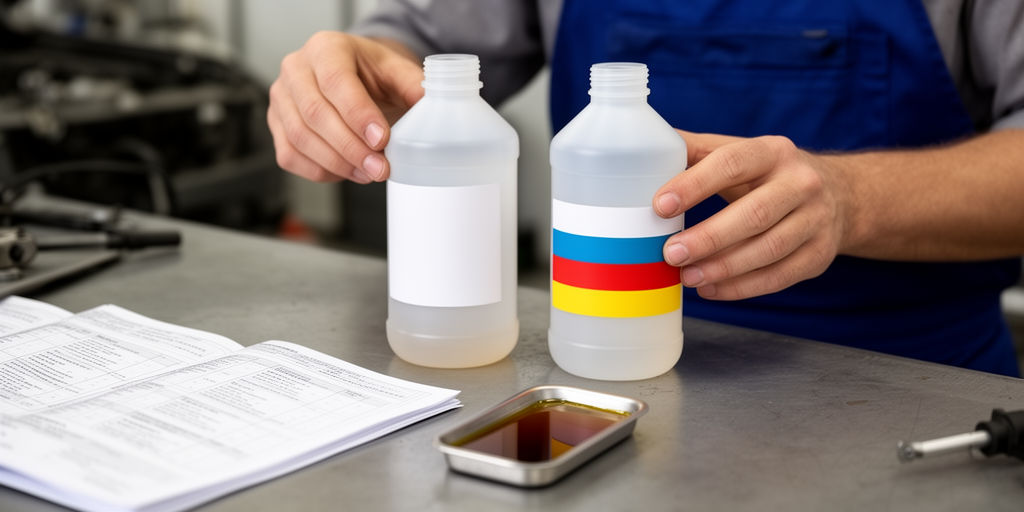
- IAT – traditional green/blue, contains silicates, suitable for older engines.
- OAT – Typically orange/red, silicate free, long lasting, conflicts when mixed with IAT.
- HOAT – combined, found in European and American brands.
The main criterion is the engine manufacturer’s approval. If the service manual requires a specification (e.g., G12, G13, or OEM specifications), follow it.
How to check antifreeze compatibility and what you absolutely must not do
Mixing OAT and IAT without rinsing is not recommended, as this will result in gel-like mixtures and loss of heat transfer. A practical guide:
- Read the required specification from the expansion tank or service book.
- If you are switching to a different type, completely drain the system and flush the circuit according to the manufacturer’s instructions.
- Check pH and inhibitor levels periodically with test kits.
Tolerances and standards: where to look and how to read
Tolerances are usually specified in the service manual, on the expansion tank cap, or in the dealer’s documentation. For antifreeze, these may be G11/G12/G13 markings or OEM codes (VW, BMW, Mercedes). ATF and brake fluid have their own standards: Dexron, Mercon for ATF; DOT3, DOT4, DOT5.1 for brake fluids.
ATF — Automatic Transmissions: Types, Differences, and Replacement Signs
ATFs are categorized by chemistry and tolerances: Dexron/Mercon and specialized transmission fluids (CVT, DSG, etc.). Signs of wear include darkening, a burning smell, metal shavings in the magnetic filter, and gear slippage. Failure to comply with the specified tolerances will result in loss of frictional properties and clutch wear.
- Check the level on a hot engine and according to the level/mark in the manual.
- When replacing, use only the recommended type or OEM equivalent.
Brake Fluid: DOT and Why Hygroscopicity Matters
Brake fluid is hygroscopic—it absorbs water, which lowers its boiling point and increases the risk of brake fade. DOT types—DOT3, DOT4, and DOT5.1—differ in boiling point and composition. DOT5 (silicone) is incompatible with DOT3/4/5.1 and is rarely used in modern systems.
- Monitor humidity and change fluid at manufacturer’s intervals or when boiling point drops.
- Test: Boiling point tester or cartridge color test.
Power steering fluid: types and impact on component wear
Power steering fluids vary in base: mineral, synthetic, and polyalphaolefin-based. The wrong type can cause seal swelling and leaks. If the steering becomes stiff or unusual noises appear in the pump, check the color, odor, and level of the fluid.
When replacing, flush the circuit, use the recommended fluid, do not mix types.
Practice: How to quickly check the condition of each liquid
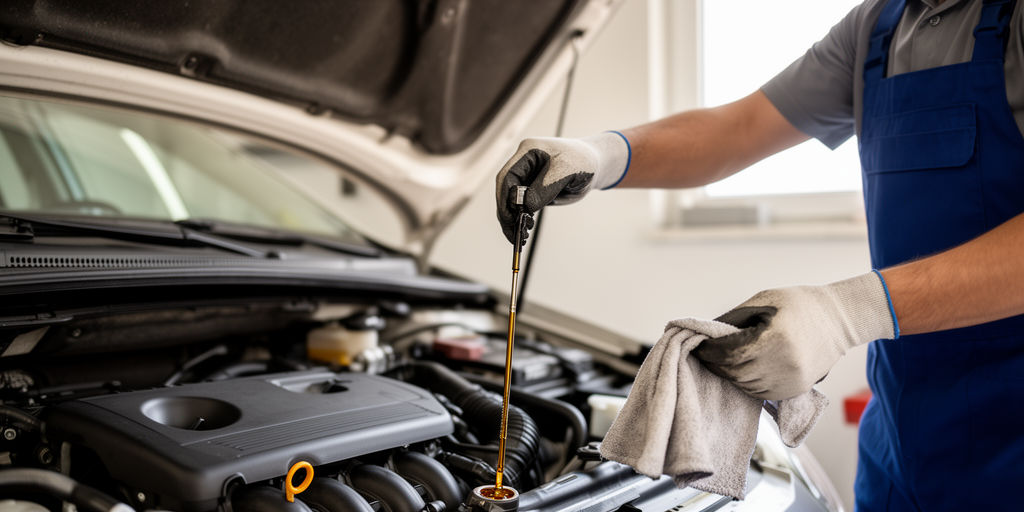
- Antifreeze: external inspection, test strips for pH and inhibitors, visual inspection of color and sediment.
- ATF: smell, color, magnetic filter check, friction properties test (during service).
- Brake: moisture content/boiling point and color tester.
- Power steering: level, smell and check for bubbles when turning the steering wheel (air in the system).
Replacement intervals: general guidelines and how to adapt them
Below are guidelines to adapt to your brand and riding style:
- Antifreeze: 2 to 5 years depending on type (OAT – longer).
- ATF: 60–120 thousand km or as recommended by the manufacturer; more often in severe conditions.
- Brake fluid: every 1–2 years or when boiling point drops.
- Power steering fluid: 60–100 thousand km or when steering performance deteriorates.
Service Organization: Checklist and Records
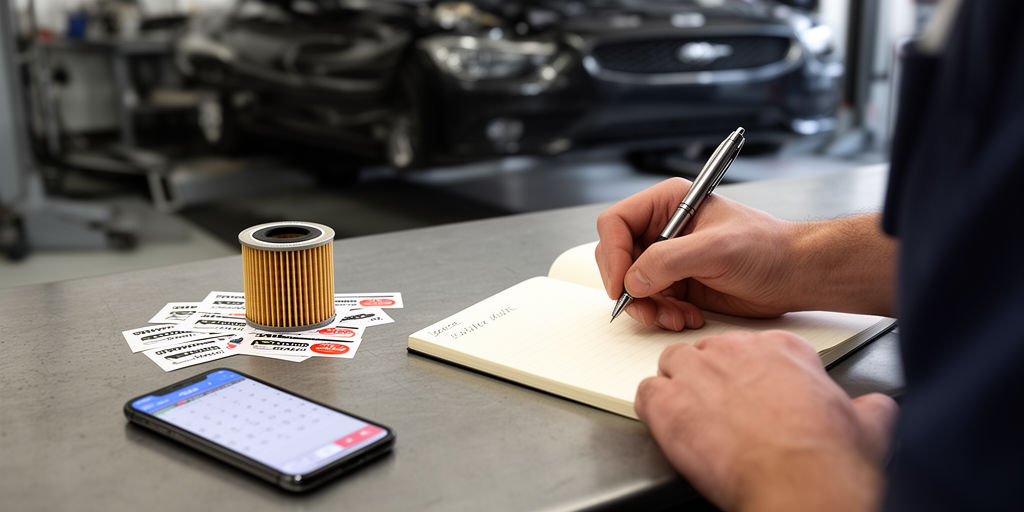
Keep a simple record in your vehicle’s logbook or app: date, mileage, fluid type, markings, fill volume, and next change date/mileage. This saves money and allows you to identify problems early.
Conclusion – A Brief Summary and Rule of Thumb
Identify fluids by approvals and markings, avoid mixing incompatible components, check their condition with simple tests, and follow recommended intervals, adapting them to operating conditions. Simple record keeping and regular checks will help avoid costly breakdowns and maintain road safety.